
“`html
Forget the bland grocery store platters; what if your next sushi party felt like a Michelin-starred experience, without the impossible price tag? Hosting memorable sushi parties doesn’t require a personal chef or a trip to Tokyo. It demands a touch of thoughtfulness, a dash of insider knowledge, and a commitment to quality. We’re talking about creating an event that delights every sense, leaving your guests raving about your culinary prowess long after the last piece of nigiri has vanished.
This isn’t about replicating a high-end restaurant; it’s about bringing that elevated experience into your home. We’ll guide you through selecting the perfect menu, sourcing impeccable ingredients, setting a sophisticated scene, and navigating the unspoken etiquette that separates a good gathering from a truly exceptional one. Get ready to transform your next get-together into a sophisticated sushi soiree.
Beyond the California Roll: The Secret to a ‘Wow’ Sushi Menu
The foundation of any successful sushi party lies in its menu. While the California roll has its place, venturing beyond it is key to impressing your guests. The goal is to offer a curated selection that showcases variety, quality, and a touch of the unexpected, all while remaining manageable for a home host. Aim for a balance of familiar favorites and more adventurous options.
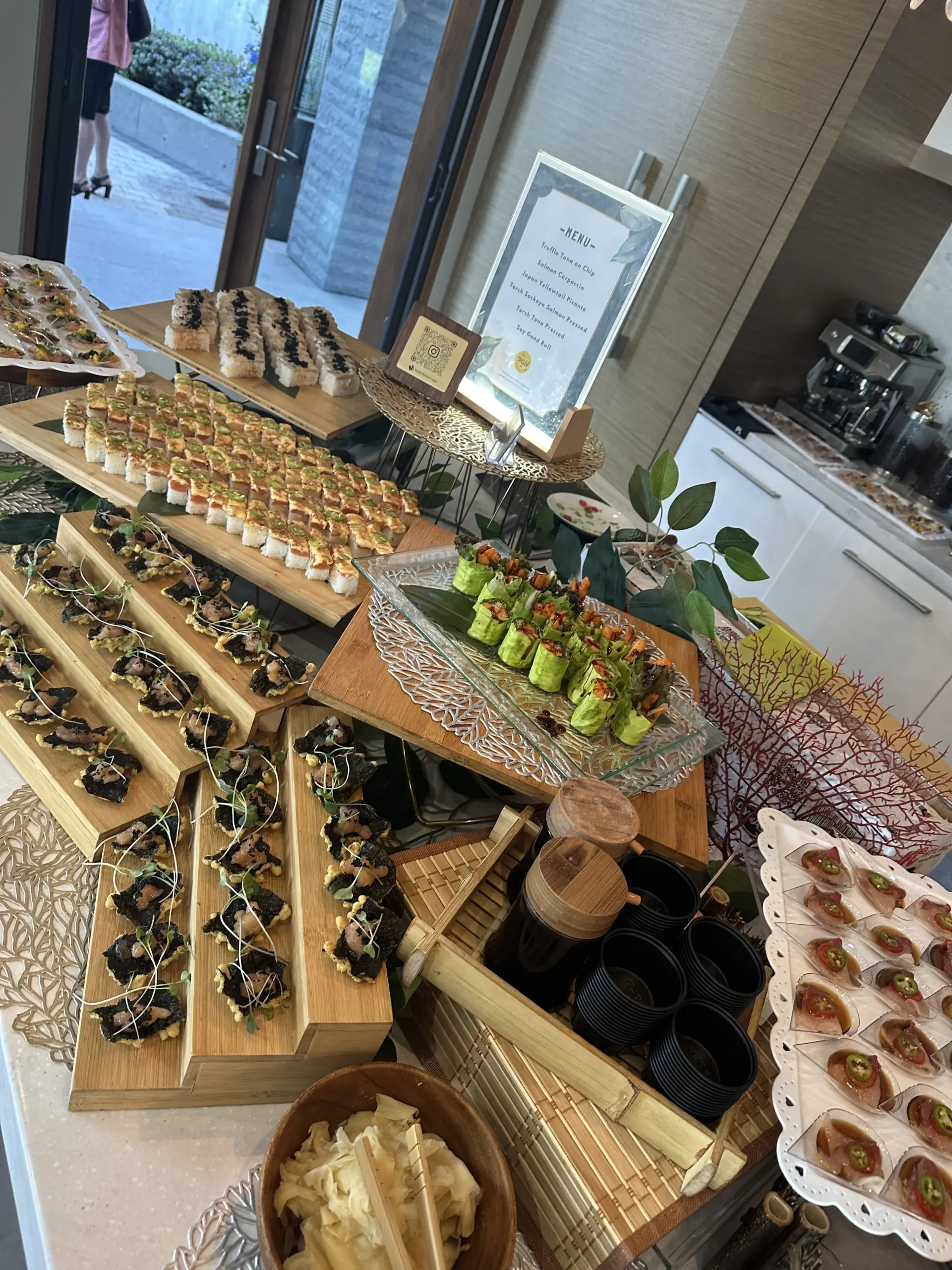
Here’s a curated list of 5-7 sushi and sashimi varieties that hit the sweet spot:
- Tuna Tataki: Lightly seared tuna with a peppery crust, served with a ponzu sauce. It’s visually striking and offers a delightful texture contrast.
- Salmon Nigiri: A classic for a reason. The rich, buttery flavor of fresh salmon over perfectly seasoned sushi rice is universally loved.
- Yellowtail (Hamachi) Sashimi: Known for its clean, slightly sweet flavor and firm yet tender texture, yellowtail is a sashimi staple that speaks of quality.
- Shrimp Tempura Roll: A crowd-pleaser that adds a satisfying crunch. Consider adding avocado and a drizzle of eel sauce for extra depth.
- Spicy Tuna Roll: The perfect blend of heat and savory tuna. Use high-quality tuna and adjust the spice level to your guests’ preferences.
- Eel (Unagi) Nigiri: Sweet, savory, and slightly smoky, grilled eel is a luxurious treat. It’s often served with a sweet soy glaze (tare).
- Cucumber (Kappa) or Avocado Rolls: Essential for vegetarian guests or as palate cleansers, these simple rolls offer a refreshing counterpoint to richer fish.
Sourcing Your Stars: The secret to sourcing is building relationships. Seek out reputable fishmongers at your local market or explore specialty Asian markets. For truly exceptional fish, consider online seafood purveyors that specialize in sushi-grade products. Always ask about the origin and freshness. If you’re in the Los Angeles area, services like Sushi Private Catering can even provide expertly prepared sushi for your event, ensuring top-tier quality without the sourcing stress. For those planning larger events, understanding the nuances of sushi private catering menus is crucial.
The ‘No-Fail’ Fish Selection Guide: What to Buy (and What to Avoid)
The single most critical factor in the success of your sushi party is the quality of your fish. Buying the wrong fish is not just a culinary disappointment; it can be a health hazard. This guide provides a framework to ensure you’re selecting the freshest, most appropriate options.
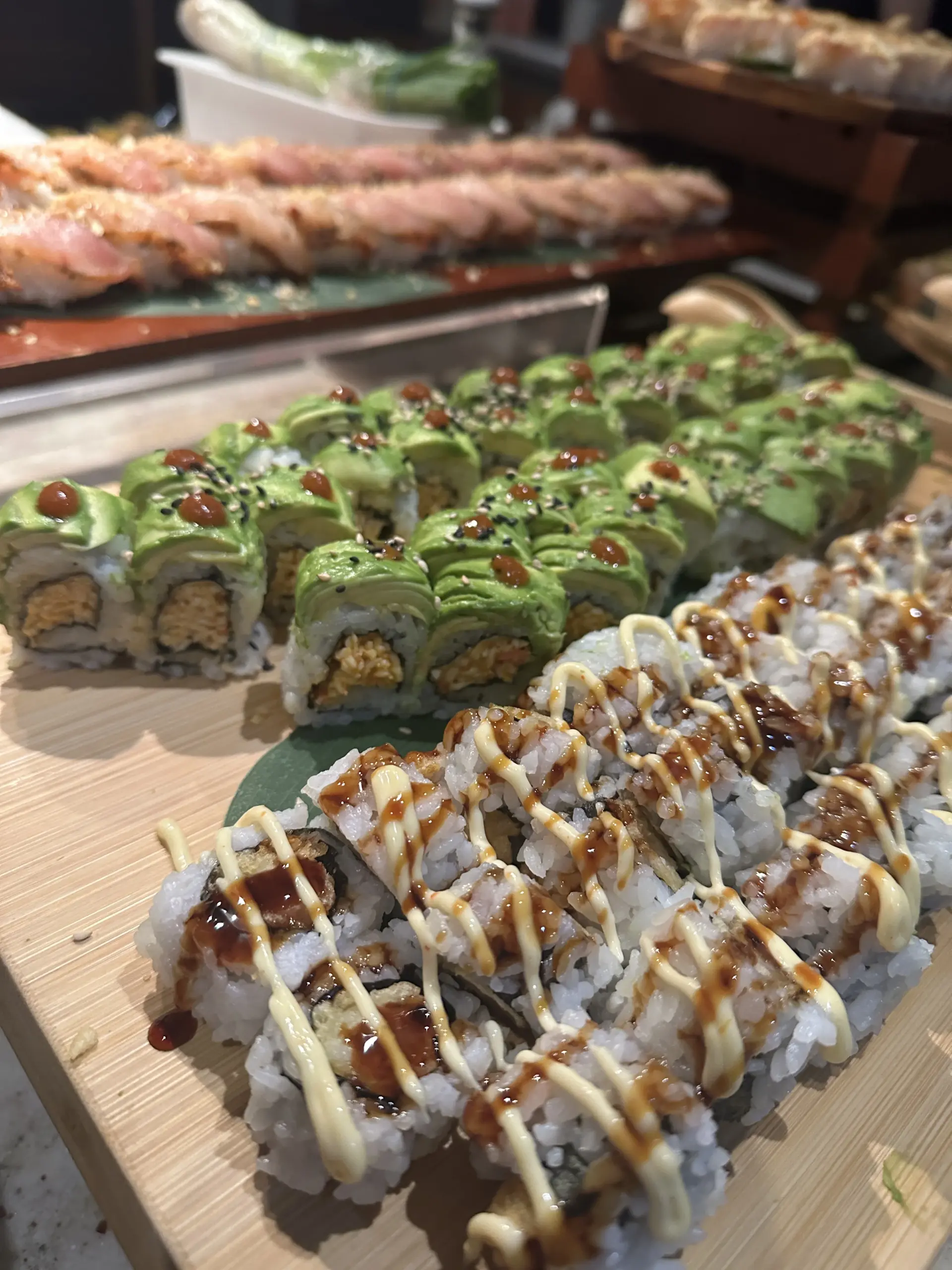
Your Decision-Making Framework:
- “Sushi-Grade” is a Misnomer (Mostly): The term “sushi-grade” isn’t officially regulated in many places. What it *should* imply is that the fish has been handled with extreme care and, for certain species like salmon and tuna, has been flash-frozen to kill parasites. Always ask your fishmonger about their handling practices and whether the fish is suitable for raw consumption.
- Smell is Key: Fresh fish should smell like the ocean – clean and briny, not fishy or ammonia-like. If it has a strong, unpleasant odor, steer clear.
- Appearance Matters:
- Color: Tuna should be a vibrant red; salmon, a rich orange; yellowtail, a pearly white. Dullness or browning indicates age.
- Texture: The flesh should be firm and spring back when gently pressed. It shouldn’t be mushy or slimy.
- Eyes (for whole fish): Clear, bright, and slightly bulging. Cloudy or sunken eyes are a bad sign.
- Gills (for whole fish): Bright red and clean.
- Trust Your Gut (and Your Purveyor): If you have any doubt about the freshness or suitability of the fish, don’t buy it. A good fishmonger will be transparent and helpful.
Common Pitfalls to Avoid:
- Buying “Fresh” Fish That’s Been Thawed: Unless you’re at a top-tier sushi restaurant where fish is flown in daily, most “fresh” fish at the counter has likely been previously frozen. For raw consumption, it’s often safer and more reliable to buy fish explicitly sold as “sushi-grade” or “sashimi-grade” that has undergone proper flash-freezing.
- Using Farmed Salmon Without Verification: While farmed salmon can be excellent, it’s crucial to ensure it’s sourced from reputable farms that follow strict protocols to prevent parasites. Some suppliers will clearly label this.
- Overlooking Shellfish: Scallops and shrimp are generally safer bets for raw consumption as they are often farmed under controlled conditions. However, always ensure they are pristine and smell fresh.
- Ignoring the “When”: Fish is highly perishable. Purchase it as close to your party as possible, ideally the day of, and keep it impeccably chilled.
DIY Sushi Station vs. Pre-Made: The Real Cost and Effort Breakdown
Deciding whether to roll your own sushi or order pre-made platters is a pivotal decision for your sushi parties. Both have their merits, but understanding the true cost and effort involved will help you choose the path that best suits your hosting style and budget.
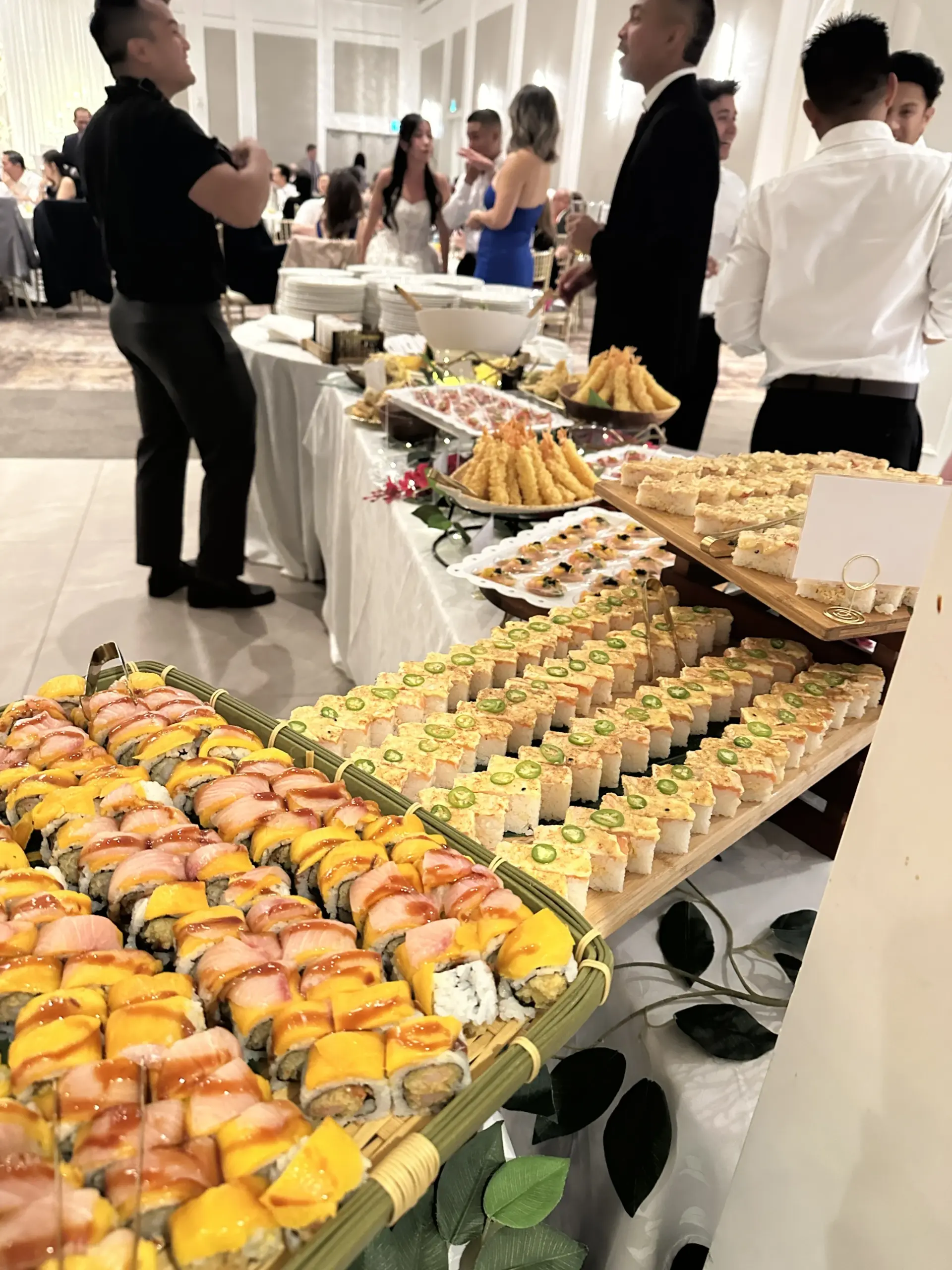
The DIY Sushi Station: The Creative Endeavor
- Effort: High. This involves significant prep work: cooking and seasoning sushi rice, slicing fish and vegetables, preparing sauces, and setting up a rolling station. It’s an activity in itself, best suited for hosts who enjoy hands-on entertaining and have willing participants.
- Cost: Can be surprisingly high. While you save on labor, the cost of premium sushi-grade fish, specialized ingredients (nori, sushi rice, wasabi, pickled ginger, soy sauce), and necessary equipment (bamboo mats, sharp knives) can add up. Expect to spend anywhere from $30-$75+ per person, depending on the fish choices and quantity.
- The ‘Wow’ Factor: Unmatched. Guests often love the interactive element of building their own rolls or watching you expertly craft pieces. It fosters a sense of shared experience.
- Hidden Costs: Quality knives, bamboo mats, specialized rice cookers, and the potential for ingredient waste if you overestimate.
Pre-Made Platters: The Effortless Elegance
- Effort: Low. Your primary tasks are ordering, arranging the platters attractively, and managing the serving. This frees you up to mingle with guests and enjoy the event.
- Cost: Varies widely. High-quality, restaurant-grade platters from specialized caterers like Sushi Private Catering can range from $40-$100+ per person, often including a wider variety and more elaborate presentation than you could achieve yourself. Cheaper grocery store options exist but often compromise on quality and freshness.
- The ‘Wow’ Factor: Depends heavily on the provider. A beautifully arranged platter from a reputable caterer can be stunning. A hastily assembled grocery store tray will likely fall flat.
- Hidden Costs: Delivery fees, potential for less-than-ideal freshness if not ordered from a top-tier source, and limited customization options compared to DIY.
The Verdict: For a truly impressive and stress-free experience, especially for larger gatherings or if you prefer to be a guest at your own party, professional catering is often the superior choice. It guarantees quality and presentation. If you have a smaller group, enjoy the process, and are willing to invest time and money in sourcing top ingredients, a DIY approach can be rewarding. For those seeking the best of both worlds – exceptional quality without the personal effort – exploring options for best sushi catering services is highly recommended.
The ‘Ambiance’ Cheat Sheet: Setting the Scene for Sushi Nirvana
The food is paramount, but the atmosphere you create can transform your sushi party from a meal into an immersive experience. Think understated elegance, clean lines, and a sense of calm sophistication.
Music: The Subtle Soundtrack
- Opt for instrumental genres: Smooth jazz, lo-fi hip-hop beats, ambient electronic music, or even traditional Japanese koto music.
- Keep the volume low. The music should be a background element, enhancing the mood without overpowering conversation.
- Avoid anything too jarring or high-energy.
Decor: Minimalist Chic
- Table Setting:
- Tablecloth: A simple, neutral-colored linen or a dark, polished wood surface works best.
- Tableware: Use ceramic or stoneware plates with clean, minimalist designs. Small dipping bowls for soy sauce are essential. Chopsticks should be elegant – bamboo, lacquered wood, or even metal. Provide chopstick rests.
- Napkins: Linen or high-quality paper napkins in a coordinating neutral tone.
- Centerpiece: Keep it simple. A single, elegant ikebana-style floral arrangement, a few smooth stones, or a minimalist lantern can add a touch of artistry. Avoid anything too tall that obstructs views.
- Lighting: Soft, warm lighting is key. Dim overhead lights and supplement with table lamps or strategically placed candles (unscented, to avoid interfering with the food’s aroma).
The Serving Ritual
- Present sushi on attractive platters – slate, dark wood, or minimalist white ceramic.
- Arrange pieces artfully, ensuring each roll and nigiri is easily accessible.
- Provide small dishes for soy sauce and a separate dish for wasabi and pickled ginger.
- Ensure serving utensils (tongs or chopsticks) are readily available for each platter.
The goal is to create an environment that feels serene, sophisticated, and conducive to enjoying the delicate flavors of the sushi. It’s about creating a moment, not just serving food.
The ‘Unspoken Rule’ of Sushi Parties: What Your Guests *Really* Appreciate
Beyond the delicious food and elegant setting, several subtle elements contribute to a truly memorable sushi party. These are the unspoken rules that show you’ve thought about your guests’ comfort and enjoyment.
The Art of Soy Sauce and Wasabi
- Don’t Over-Sauce: Provide soy sauce, but encourage guests to use it sparingly. High-quality sushi doesn’t need to be drowned. Offer low-sodium options.
- Wasabi Placement: Serve wasabi on the side. Some guests love it, others find it too potent. Let them add it to their soy sauce or directly onto their sushi to their preference.
- Pickled Ginger (Gari): This is a palate cleanser, not a topping. Guests should eat a small piece between different types of sushi to reset their taste buds.
Chopstick Etiquette (and Alternatives)
- No Sticking Chopsticks Upright in Rice: This resembles incense at a funeral and is considered very bad luck in Japanese culture.
- No Passing Food Chopstick-to-Chopstick: Another practice associated with funeral rites.
- Offer Forks: While chopsticks are traditional, not all guests are proficient. Having a few elegant forks available can prevent frustration and ensure everyone can enjoy the meal comfortably.
Dietary Considerations & Variety
- Vegetarian/Vegan Options: Always include at least one or two delicious vegetarian rolls (e.g., avocado, cucumber, sweet potato tempura).
- Allergies: Be aware of common allergens like shellfish and soy. Clearly label dishes if necessary, or have a list of ingredients available.
- Don’t Forget the Rice: Perfectly seasoned sushi rice is as important as the fish. Ensure there’s enough for everyone.
The Host’s Role: Grace and Flow
- Be Present: While Sushi Private Catering can handle the culinary heavy lifting, your role as host is to ensure a smooth flow. Keep drinks topped up and check in with guests.
- Don’t Apologize for Imperfections: If you’re DIYing, embrace the process. Guests appreciate the effort far more than minor imperfections.
- Timing is Everything: Stagger the arrival of different sushi types if possible, or ensure platters are replenished before they run empty. For larger events, consider the timeline for sushi for a party to ensure seamless service.
By anticipating these needs and demonstrating cultural awareness, you create an environment where guests feel respected, comfortable, and truly cared for.
Who This Sushi Party Guide is *Not* For (And Why That’s Okay)
Let’s be candid. While this guide aims to empower you to host a spectacular sushi party, it’s not for everyone. If your idea of hosting involves zero effort and maximum impact, or if the thought of sourcing raw fish fills you with dread, then a fully DIY sushi party might be a step too far.
This Guide is NOT For:
- The Host Who Wants to Be a Guest: If your priority is to completely relax and delegate every aspect of the event, then attempting to DIY sushi is counterproductive.
- The Time-Strapped Individual: Sourcing, prepping, and presenting sushi takes significant time. If your schedule is already packed, adding this to your to-do list is a recipe for stress.
- The Extremely Risk-Averse: While we’ve covered safety, the inherent nature of consuming raw fish carries a small, albeit manageable, risk. If this causes you anxiety, it’s best to opt for cooked options or a different cuisine.
- Those on a Shoestring Budget Seeking Perfection: While DIY *can* be cheaper, the cost of truly high-quality sushi-grade fish can be substantial. If budget is the absolute primary constraint, a more cost-effective cuisine might be a better fit.
Alternative Solutions:
If the idea of hosting a sushi party appeals but the execution feels overwhelming, consider these options:
- Hire a Private Sushi Chef: For an intimate and ultra-luxurious experience, a private chef can prepare sushi fresh in your home. This offers the highest level of quality and personalization. Services like Sushi Private Catering specialize in this.
- Order High-Quality Platters: As discussed, invest in pre-made platters from a reputable caterer. This removes the sourcing and preparation stress while still delivering an impressive spread. Look for caterers who focus on sushi for a party.
- Focus on Cooked Sushi Rolls: Many popular rolls can be made with cooked ingredients like shrimp tempura, grilled eel, or crab. This significantly reduces concerns about raw fish safety and sourcing.
- Combine with Other Cuisines: If you’re hosting a larger event, consider a sushi station as one element among several. This allows you to offer variety without making sushi the sole focus and potential stressor. For sushi party catering, this is a popular approach.
Ultimately, the goal of hosting is enjoyment – for both you and your guests. If a DIY sushi party sounds like more work than joy, there are excellent ways to still bring the elegance and deliciousness of sushi to your event without compromising your sanity. For those ready to embrace the challenge, however, this guide provides the roadmap to an unforgettable culinary adventure.
Ready to host the ultimate sushi party? Whether you’re envisioning a hands-on culinary experience or the effortless elegance of professional service, Sushi Private Catering offers bespoke solutions to make your event exceptional. Explore our sushi catering menu or contact us to discuss crafting the perfect sushi experience for your guests.
“`

